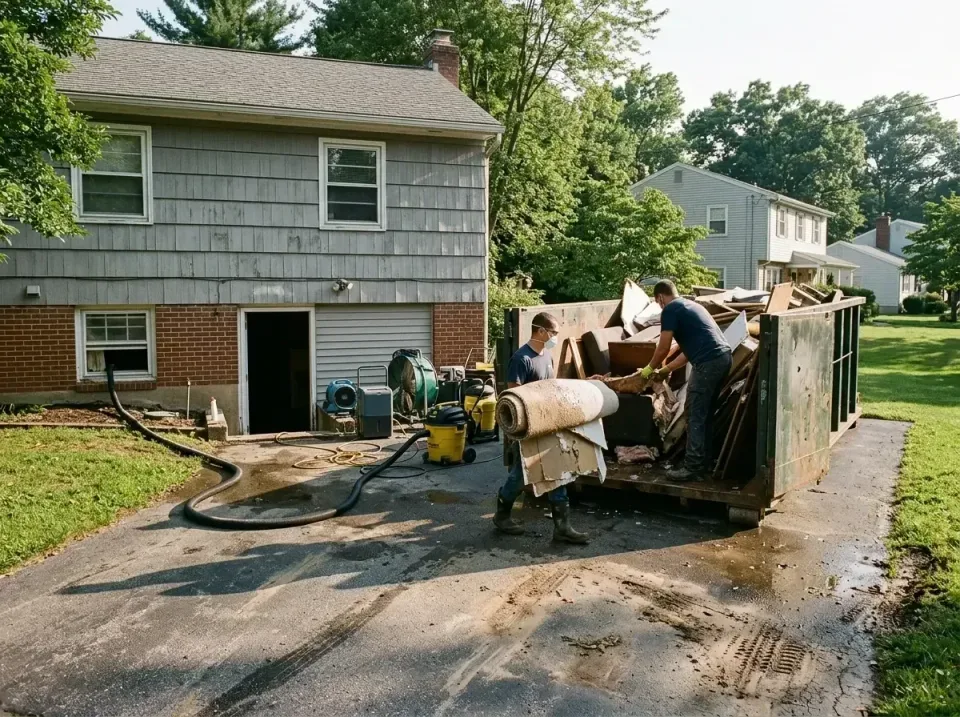
Commercial Dumpster Rental
Commercial dumpsters help Freeport contractors, property managers, and builders contain construction debris during active projects.
Worried concrete will exceed a dumpster allowance or damage your Freeport driveway? Most containers include 2–4 tons, and a weight ticket shows the disposal facility’s measured load.
Concrete is heavy before a container looks full. Estimating load weight first helps prevent an overage charge, unsafe loading, or a failed pickup.
Ask Dumpster Rental Guys where the roll-off dumpster can sit without blocking the truck’s turning path. A level placement area also helps protect pavement during delivery.
The driver or disposal facility may issue a weight ticket after the container reaches the scale house. Keep it with your itemized quote if tonnage affects the final bill.
For concrete work outside Freeport, all service areas can help readers identify coverage before planning transportation.
Load weight: Compare load weight vs. volume because concrete can reach the load limit before filling the container.
Material sorting: A concrete disposal dumpster suits clean concrete, while mixed debris may change the tipping fee.
Truck access: Confirm turning space before delivery, or a narrow approach can create a dry run charge.
Disposal routing: Concrete mixed with prohibited materials may require safer disposal routing through a transfer station.
Project timing: If debris exceeds the weight allowance, schedule a swap-out before the service window closes.
A roll-off dumpster is useful only when its size, placement, and material rules match the job. The concrete disposal planning guidance can help frame questions about sorting and facility acceptance.
Keep concrete below the rim and ask for the weight ticket process before loading begins. That small check makes the final tipping fee easier to understand.
Concrete and masonry are clean heavy materials, so a container can reach its limit while plenty of air remains around broken pieces. This is the main reason a concrete disposal dumpster differs from a container for light household contents.
A load is usually weighed at the scale house before entering the tipping floor. The scale record supports the disposal charge, while prohibited-material screening sends questionable items toward safer disposal routing.
Ask whether clean slabs, brick, asphalt, or soil may be combined. Debris classification affects the receiving facility, and a construction & demolition debris landfill may handle materials differently from a municipal solid waste landfill.
A 10-yard dumpster provides compact debris containment, while a 20-yard dumpster offers renovation waste capacity. A 30-yard dumpster or 40-yard dumpster fits larger demolition and new construction work, but more volume does not automatically mean more permitted weight.
Container dimensions vary by provider, and the roll-off truck uses hydraulic container loading. Measure driveway clearance, overhead wires, and the truck’s approach before choosing a size.
For a Freeport remodeling site, place driveway protection boards beneath the container when the surface and provider allow them. Keep ADA routes open, and do not position equipment where workers or residents must walk around debris.
Before delivery, roll-off access planning information can help contractors identify the measurements a driver needs for safe placement.
Clean concrete should stay separate from paint, liquids, appliances, asbestos-containing material, and hazardous waste. Mixing these materials can change the disposal route and lead to rejection at the tipping floor.
The United States Environmental Protection Agency connects municipal waste practices with RCRA Subtitle D standards. Demolition contractors should also consider OSHA 29 CFR 1926.850 for demolition debris handling and OSHA 29 CFR 1926.501 for fall protection.
A concrete-only load is easier to classify than mixed construction debris. If roofing shingles, drywall, wood, or household contents enter the container, ask for an updated material review before pickup.
A narrow lane, parked vehicle, low branch, or utility wire can prevent a roll-off truck from reaching the placement area. Maintain 16 feet of overhead clearance and provide a level, firm surface with room for hydraulic loading.
Street placement creates a separate permission question. A local right-of-way permit may apply, and a local zoning ordinance can add restrictions near hydrants, mailboxes, intersections, or accessible routes.
Schedule pickup before gates close, equipment moves, or demolition changes the truck path. If the container becomes full early, ask about a swap-out rather than stacking concrete above the top rail.
Dumpster Rental Guys can review the material, access route, placement surface, and pickup timing before quoting a Freeport project. That preparation reduces the chance of a dry run or delayed service window.
A concrete disposal dumpster handles clean heavy material, while multiple container sizes support residential through commercial work. Mixed debris versus concrete-only loading also changes weight handling and disposal routing.
A 10-yard dumpster measures approximately 10 cubic yards, but its practical capacity depends on the material’s weight. Curbside placement requires street-access coordination before delivery.
| Option | Best for | Key detail |
|---|---|---|
| 10-yard dumpster | Small concrete removal | Approximately 10 cubic yards; compact projects |
| 20-yard dumpster | Renovation debris | More volume, but weight limits remain material-dependent |
| 30-yard dumpster | Larger remodeling work | Suits added volume when truck access is clear |
| 40-yard dumpster | Major construction | More capacity for large builds; confirm placement space |
A roll-off dumpster generally holds more than a pickup truck, reducing repeated trips. Dumpster size and access examples can help homeowners compare driveway placement with curbside placement.
A practical dumpster delivery preparation guide can help confirm truck clearance and placement details before the service window.
10-yard residential rental: $300–$600, with haul distance and concrete weight affecting the range.
20-yard renovation rental: $400–$800, often suited to about 6 pickup loads when material weight permits.
Roofing debris: $350–$750, based on tear-off volume and disposal fees.
Concrete load: $400–$900, reflecting tonnage and access to an inert-material facility.
40-yard construction rental: $600–$1,200, with duration and haul distance driving the range.
A 20-yard rental may cost more than a smaller container when the project lasts longer or requires more disposal handling. Regional landfill access and local hauling routes can shift these figures.
Final quotes vary by location, materials, access, weight, and duration.
Expert insight:
Use driveway protection before the roll-off dumpster arrives, then load concrete in a balanced layer. A 10-yard container commonly represents about 3 pickup loads, while a 30-yard container may represent about 9 pickup loads.
Do not choose a larger container solely for extra space. Tipping fees and the hauling fee can rise when a heavier project needs a different disposal route.
Ask for the included weight allowance, accepted materials, and weight ticket procedure. Those details make it easier to compare a swap-out with paying for an overloaded load.
Common mistake: Treating a nearly empty concrete container as safely underweight; dense chunks can exceed the allowed tonnage first.
Dumpster Rental Guys can review the concrete quantity and driveway conditions before recommending a size.
The safest approach is to estimate tonnage, separate concrete from prohibited materials, and confirm truck access before demolition. Concrete and asphalt disposal needs different planning than basement cleanout services because dense material reaches weight limits quickly.
In Freeport, TX, driveway damage from container placement and permit confusion for street placement are avoidable with a measured site plan. A typical rental period may run 7–10 days, so schedule pickup before access changes.
Dumpster Rental Guys can review your material, placement area, and service timing. Request an itemized quote before loading, including delivery, pickup, and disposal fees.
For broader coverage, visit all Dumpster Rental Guys service areas, then provide the project address and concrete details for the next step.

Browse all nationwide service options and choose the right fit for your project.
Commercial dumpsters help Freeport contractors, property managers, and builders contain construction debris during active projects.
Homeowners and contractors book Freeport residential dumpsters for renovations, cleanouts, roofing debris, and yard waste.
Homeowners and contractors book Freeport concrete dumpsters for clean slab, masonry, and asphalt removal.
Homeowners, roofing contractors, and property managers book Freeport dumpsters for shingles, underlayment, and roof tear-offs.
Homeowners, landscapers, and property managers book Freeport containers for branches, brush, leaves, and seasonal yard cleanup.
Homeowners and contractors use our Freeport renovation dumpsters for flooring, drywall, cabinets, roofing, and remodeling debris.
Contractors and homeowners book Freeport new construction dumpsters for lumber, drywall, packaging, and job-site debris.
Homeowners, contractors, and property managers book Freeport demolition dumpsters for concrete, wood, drywall, and teardown debris.
Homeowners, contractors, and property managers book roll-off dumpsters for construction debris, cleanouts, renovations, and demolition work in Freeport.
Large construction dumpsters for Freeport homeowners, contractors, and property managers handling major debris loads.
Homeowners, landscapers, and contractors use our Freeport dumpsters for brush, sod, branches, and landscaping debris.
Homeowners and contractors use our 10-yard dumpster in Freeport for compact remodel, cleanout, roofing, and yard debris.
Homeowners and property managers book Freeport garage cleanout dumpsters for household contents, renovation debris, and bulky items.
Homeowners, contractors, and property managers use our Freeport dumpsters for basement contents, renovation debris, and cleanout projects.
Homeowners, contractors, and property managers book Freeport dumpster service for shed tear-down debris and site cleanup.
Homeowners and property managers use Freeport attic cleanout dumpsters for furniture, boxes, insulation, and renovation discards.
Homeowners and contractors book Freeport dumpsters for siding panels, trim, packaging, and related renovation debris.
Homeowners, contractors, and property managers book Freeport dumpsters for carpet, tile, hardwood, and flooring removal debris.
Homeowners and contractors in Freeport use window replacement dumpsters for frames, glass, trim, and related renovation debris.
Homeowners and contractors book Freeport deck demolition dumpsters for lumber, railings, stairs, and mixed construction debris.
Select your region to see local low cost construction dumpster rental providers and cities we cover.
We connect you with trusted local providers in your state or city. Call or email us today.