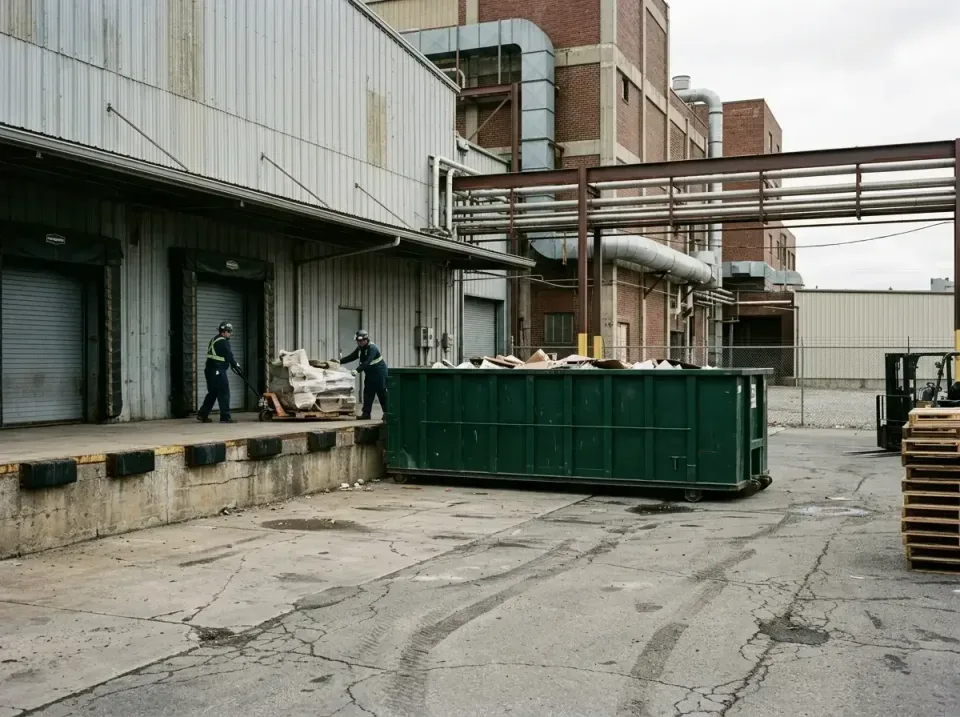
Commercial Dumpster Rental
Commercial dumpsters help Freeport contractors, property managers, and builders contain construction debris during active projects.
Could debris exceed the weight allowance and trigger an unexpected charge? A typical included weight limit is 2–4 tons, depending on the container and disposal site.
Dense materials reach that limit faster than loose household contents. Concrete, masonry, roofing shingles, and wet soil can weigh more than their volume suggests.
In Freeport, Texas, tell Dumpster Rental Guys what you are removing before delivery. That helps match the project with weight guidance, access needs, and a suitable roll-off dumpster.
Customers outside the area can review all service areas when planning similar work nationwide. For local jobs, share your material list, placement address, and expected loading date for a clearer starting quote.
Load weight: A tipping fee can rise when dense debris crosses the agreed allowance, even if the container is not full.
Material separation: Concrete mixed with prohibited materials may require different handling, routing, or disposal review.
Rental timing: A 7–10 day rental period gives many projects room to work, but schedule changes can affect pickup planning.
Proof of weight: Ask how the transfer station records a weight ticket, since the scale house determines the chargeable load.
Project planning: A swap-out before the roll-off dumpster reaches its load limit can prevent unsafe overloading and an overage charge; disposal guidance for construction debris can help explain why classification matters.
A half-full container can still be too heavy when it holds concrete, brick, tile, asphalt, or saturated soil. Weight guidance is material-specific, and weight limits are also dependent on the disposal site accepting the load.
For example, mixed construction debris may combine wood, drywall, and packaging with heavier fragments. A concrete-only container handles a different weight profile than a residential dumpster rental filled with household contents. This is the key difference between load weight and volume.
Ask for a weight slip process before loading begins. At the transfer station, the vehicle may cross the scale house before the load reaches the tipping floor, creating a recorded basis for the disposal charge.
Distribute weight evenly across the floor instead of placing all concrete or masonry at one end. Keep debris below the fill line and never load above the top rail.
A 10-yard dumpster is approximately 10 cubic yards, while a 20-yard dumpster is approximately 20 cubic yards. Bigger volume does not automatically mean a higher safe weight allowance, because material density and the disposal destination still control the limit.
DIY hauling means repeated trips, loading labor, fuel, and separate disposal decisions. A dumpster rental keeps containment onsite, but the customer still needs to separate prohibited items and follow the provider’s weight guidance.
A roll-off truck uses hydraulic container loading, so the driver needs a level placement area, adequate turning room, and clear overhead space. Measure the driveway clearance before ordering, including utility wires, branches, gates, and parked vehicles.
Driveway protection boards can reduce surface damage, but they cannot solve a narrow approach or a truck that cannot line up safely. If access fails during the service window, a dry run charge may apply even though the container was not delivered.
Before demolition begins, send photos or measurements to Dumpster Rental Guys. Contractors handling house demolition cleanup, roof replacement debris removal, or new construction dumpster work should also plan where workers will stage material without blocking the truck path.
Street placement differs from driveway placement because a public right-of-way may require permission. A local zoning ordinance or street permit can affect the location, duration, and required clearance; a dumpster placement overview for contractors can provide useful context for planning public access.
Keep fire hydrants, mailboxes, and accessible routes open. Do not place asbestos, liquids, hazardous waste, or other banned items in a general container; debris classification determines whether a municipal solid waste landfill, construction and demolition debris landfill, or C&D recycling facility can accept it.
OSHA 29 CFR 1926.850 addresses demolition debris handling, while OSHA 29 CFR 1926.501 addresses fall protection around active work. Schedule pickup before access changes, and request a swap-out before the container is full rather than piling material beside it.
The right option depends on debris density, access, and the expected load limit. A 20-yard dumpster is approximately 20 cubic yards, but heavy roofing or masonry can reach its practical limit quickly.
A residential dumpster rental often suits household contents, while a roofing debris dumpster keeps tear-offs easier to classify. Yard waste dumpster loads are usually planned differently from demolition debris dumpster projects because branches and masonry behave differently.
| Option | Best for | Key detail |
|---|---|---|
| Residential dumpster rental | Cleanouts and remodeling | Monitor dense mixed debris |
| Roofing debris dumpster | Shingles and tear-offs | Weight can rise quickly |
| Yard waste dumpster | Branches, brush, and leaves | Keep soil and prohibited items out |
| Demolition debris dumpster | Structural cleanup | Confirm debris classification |
| 20-yard dumpster | Renovation waste | Approximately 20 cubic yards; roll-off rental planning information can help compare project setups |
Measure: Confirm driveway width, truck turning space, container height, and at least 16 feet of overhead clearance.
Choose: Match the material to the container, such as a concrete disposal dumpster for clean masonry.
Quote: Request itemized quotes covering delivery, pickup, and disposal fees; commercial dumpster rental work may need recurring scheduling.
Prepare: Clear a level, firm, obstruction-free placement area before the delivery window.
Load: Distribute heavy material evenly, keep the fill below the top rail, and exclude hazardous waste.
Protect: Cover loose debris during windy weather and never block fire hydrants or mailboxes.
Schedule: Arrange pickup before access changes, and ask about a swap-out before the container is full; broker guidance on dumpster ordering can help explain common planning steps.
10-yard residential rental: $300–$600, with haul distance and weight affecting the range. A 10-yard dumpster holds approximately 10 cubic yards.
20-yard renovation rental: $400–$800, shaped by debris volume and rental duration. This size commonly represents about 6 pickup loads for typical material.
Roofing debris: $350–$750, based on tear-off volume and disposal fees.
Concrete load: $400–$900, reflecting tonnage and the inert-material facility required.
40-yard construction rental: $600–$1,200, with duration and haul distance as major drivers.
Regional disposal markets can change these ranges. Final quotes vary by location, materials, access, weight, and duration.
Expert insight:
Ask how the scale house documents a roll-off dumpster load before delivery. A weight ticket connects the disposal facility’s measured tonnage to any tipping fee or overage charge.
Road protection matters too, especially when a heavy container sits on a residential drive. Discuss driveway protection and truck access before the service window begins.
A dry run charge can result when the truck cannot reach the placement area because of vehicles, branches, or a blocked approach. A street permit may be needed for rentals lasting 7+ days, depending on local rules.
Common mistake: Choosing a larger container for volume without checking the load limit for concrete, roofing, or mixed debris; commercial dumpster service planning can illustrate why material and access should be discussed together.
Weight control starts with honest material details, even loading, and a container that matches the job. That approach helps reduce overage charges during house demolition cleanup, basement cleanout services, or concrete and asphalt disposal.
Driveway damage from container placement is another reason to confirm surface protection and truck access before delivery. If street placement creates permit confusion, verify the local right-of-way requirements before scheduling the drop.
Dumpster Rental Guys can help Freeport, TX customers review debris type, placement measurements, and pickup timing. Customers planning work beyond town can check all service areas for broader coverage.
Prepare the address, material list, estimated volume, and preferred service window, then request a quote from Dumpster Rental Guys at (380) 228 3753.
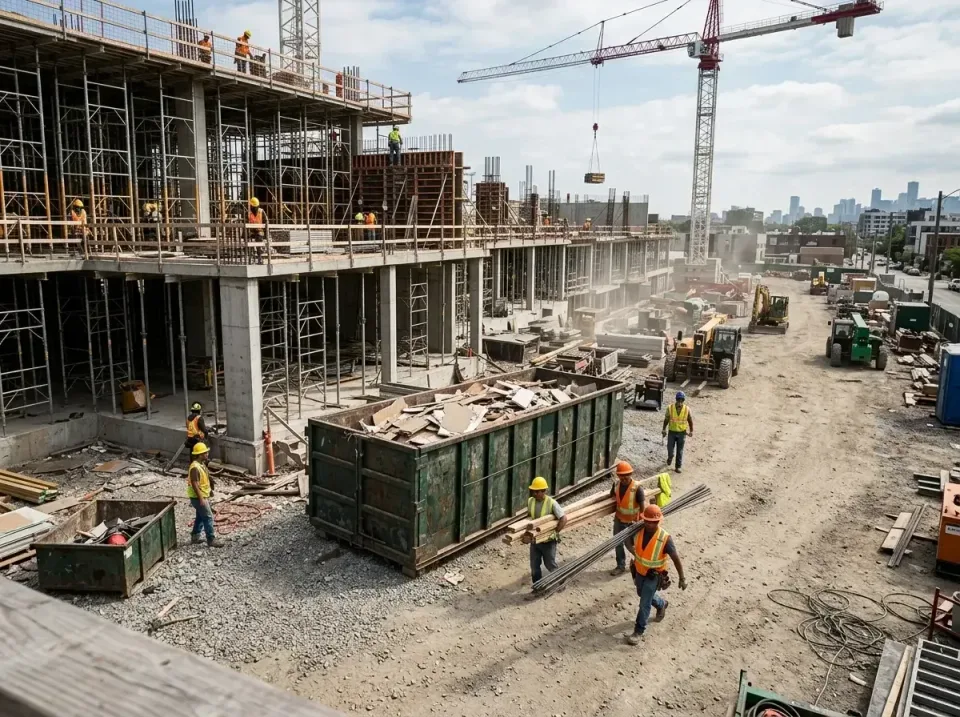
Browse all nationwide service options and choose the right fit for your project.
Commercial dumpsters help Freeport contractors, property managers, and builders contain construction debris during active projects.
Homeowners and contractors book Freeport residential dumpsters for renovations, cleanouts, roofing debris, and yard waste.
Homeowners and contractors book Freeport concrete dumpsters for clean slab, masonry, and asphalt removal.
Homeowners, roofing contractors, and property managers book Freeport dumpsters for shingles, underlayment, and roof tear-offs.
Homeowners, landscapers, and property managers book Freeport containers for branches, brush, leaves, and seasonal yard cleanup.
Homeowners and contractors use our Freeport renovation dumpsters for flooring, drywall, cabinets, roofing, and remodeling debris.
Contractors and homeowners book Freeport new construction dumpsters for lumber, drywall, packaging, and job-site debris.
Homeowners, contractors, and property managers book Freeport demolition dumpsters for concrete, wood, drywall, and teardown debris.
Homeowners, contractors, and property managers book roll-off dumpsters for construction debris, cleanouts, renovations, and demolition work in Freeport.
Large construction dumpsters for Freeport homeowners, contractors, and property managers handling major debris loads.
Homeowners, landscapers, and contractors use our Freeport dumpsters for brush, sod, branches, and landscaping debris.
Homeowners and contractors use our 10-yard dumpster in Freeport for compact remodel, cleanout, roofing, and yard debris.
Homeowners and property managers book Freeport garage cleanout dumpsters for household contents, renovation debris, and bulky items.
Homeowners, contractors, and property managers use our Freeport dumpsters for basement contents, renovation debris, and cleanout projects.
Homeowners, contractors, and property managers book Freeport dumpster service for shed tear-down debris and site cleanup.
Homeowners and property managers use Freeport attic cleanout dumpsters for furniture, boxes, insulation, and renovation discards.
Homeowners and contractors book Freeport dumpsters for siding panels, trim, packaging, and related renovation debris.
Homeowners, contractors, and property managers book Freeport dumpsters for carpet, tile, hardwood, and flooring removal debris.
Homeowners and contractors in Freeport use window replacement dumpsters for frames, glass, trim, and related renovation debris.
Homeowners and contractors book Freeport deck demolition dumpsters for lumber, railings, stairs, and mixed construction debris.
Select your region to see local low cost construction dumpster rental providers and cities we cover.
We connect you with trusted local providers in your state or city. Call or email us today.